





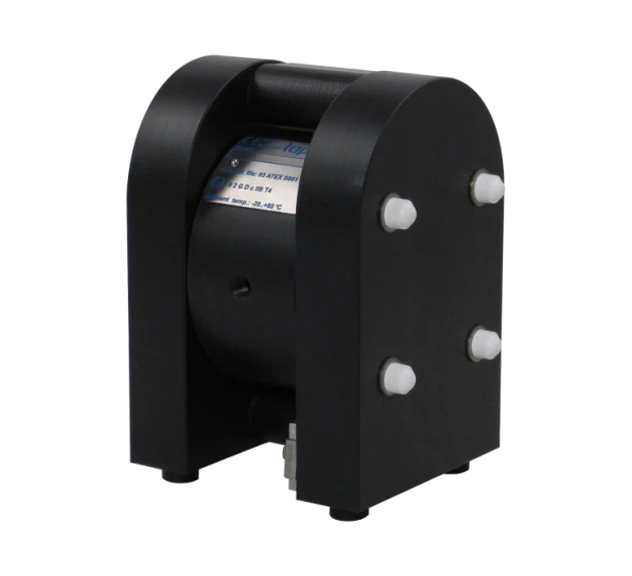
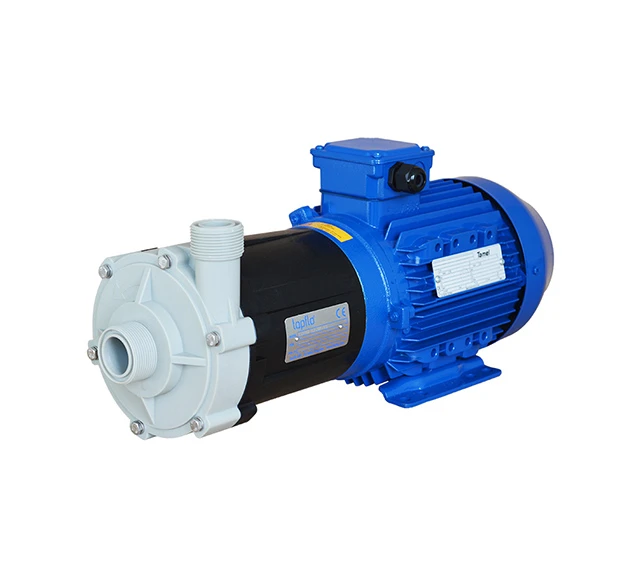
Tapflo UK supplies chemically resistant pumps (including Diaphragm Pumps and mag-drive centrifugal pumps) for surface treatment processes such as galvanising, plating, degreasing, pickling, coating and etching. These pumps handle acids and chemicals safely up to 160 °C and pressures up to 16 bar, supporting the surface treatment industry.
Surface Treatment Solutions - Stages and Definitions
What is Surface Treatment?
Surface treatment is a group of techniques used to modify the surface of materials (mainly metals and polymers) to improve properties such as corrosion resistance, longevity, adhesion, and appearance. Common processes include galvanising, plating, pickling, degreasing, coating/painting and etching.
It is important that a safe and reliable pump and equipment is used to help a safe process whilst handling hazadous chemicals.
Process, Fluid & Chemical examples in Metal Surface Treatment
- Zinc: Electrolytic zinc plating, Alcalic zinc, Zinc-iron, Zinc-nickel, Acid Zinc
- Hexavalent Chromium-free plating
- Chromates/Passivation
- Chemical nickel
- Coatings: Anodic coating, Organic coating
Common Duties for Pumps & Filters in Surface Treatment
- Baths: Degreasing, Pickling, Alkaline, Acid, Electroplating, Waste from bath drum
- Drum handling
- Filter press feeding
What is Galvanisation?
Galvanisation is the most widely used method to prevent corrosion of iron and steel. It works by a variety of processes to remove any contanimation, followe by submerging the metal in a molten zinc bath at around 450°C, creating a metallurgical reaction that forms protective zinc-iron alloy layers on the surface.
What is Plating?
Metal plating is the process of applying a thin layer of metal, such as nickel, copper, or chromium, over a substrate to improve corrosion resistance, appearance, conductivity, or wear resistance. It’s achieved either through electroplating (using an electric current) or electroless plating (an autocatalytic chemical process).
Plating Benefits:
- Improved corrosion resistance
- Decorative appeal
- Increased solderability
- Enhanced strength
- Reduced friction
- Altered conductivity
- Enhanced paint adhesion
- Increased magnetism
What is Degreasing?
Degreasing is the process of using acid or alkali chemicals to remove oil, dirt and other inorganic material from a metal surface, most commonly in wash bays before further treatment. Because these chemicals are toxic, the process requires safe handling and automation to protect workers and the environment.
What is Coating and Painting?
Coating and painting apply a protective or decorative layer to a product’s surface, extending its working life and, in many cases, making it marketable. Special-purpose coatings, such as traffic paint, vehicle refinishing, and marine protection, are typically applied outdoors in ambient conditions.
What is Etching?
Etching (also called chemical milling or photo etching) is a controlled manufacturing process that uses temperature-controlled etchants, such as ferric chloride, to remove a metal’s top surface and produce precise, engraved-style parts from a single sheet.

Tapflo's Surface Treatment Solutions
Tapflo UK supply a wide range of Surface Treatment pumping solutions that fit the exact needs of the above processes, and are manufactured from the highest quality materials and ATEX-rating, ensuring a safe, robust and reliable performance.
Some great options include the below:
HDPE & PTFE AOD Pump
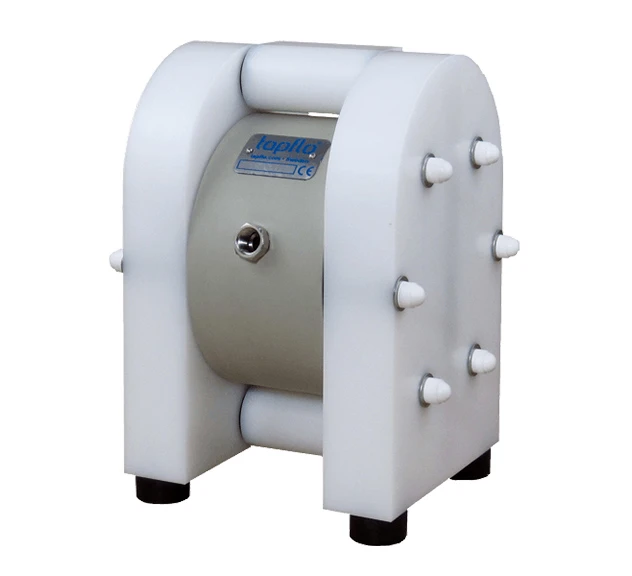
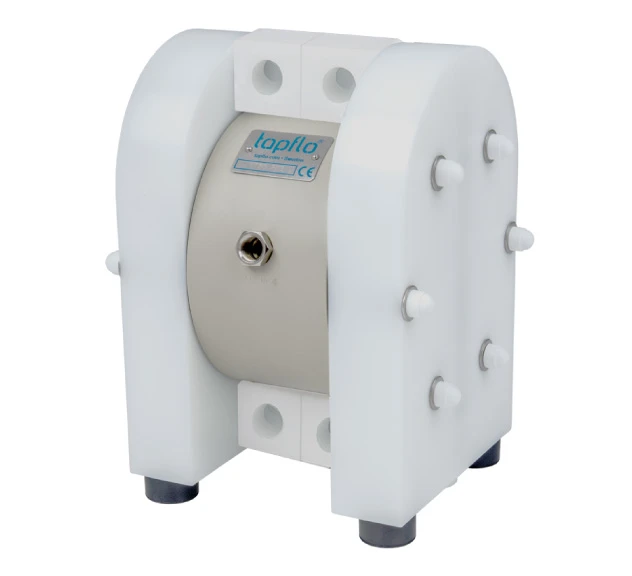
Tapflo’s HDPE & PTFE Air Operated Diaphragm Pumps are ideal for viscous and chemically aggressive liquids, self-prime up to 9m, deliver discharge pressures up to 16 Bar and can handle temperatures of up to 100°C.
With a range of pneumatic accessories available to support the pumping process, control & maintenance of the pump, these are versatile pumping solutions for your applications.
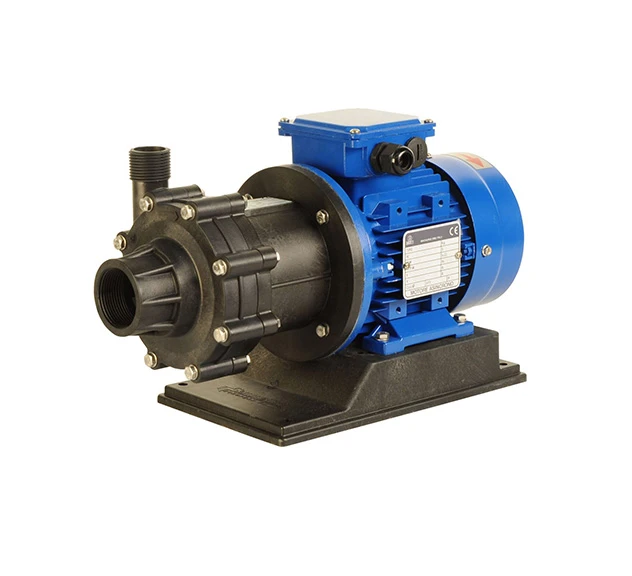
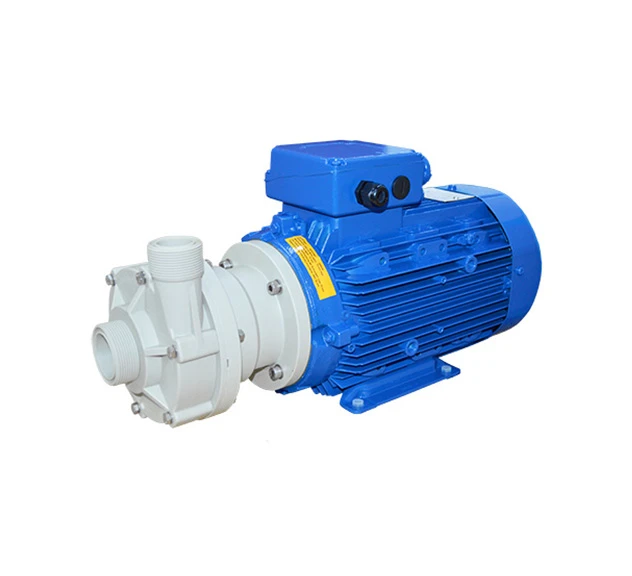
Magnetically Driven and Sealed Centrifugal Pumps within Surface Treatment Applications
Magnetic Pumps are used in industries where leakage of the agent being pumped could cause damage, such as in the chemical or nuclear industries.
We supply Magnetically Driven Centrifugal Pumps and Magnetically Sealed Centrifugal Pumps suited to Surface Treatment applications as they offer superior mechanical strength and excellent corrosion resistance for various industrial applications. Differing from the general pumping mechanism, they are designed to connect the motor to the pump by magnets instead of a direct mechanical shaft.
These pumps are highly versatile and robust; they can withstand temperatures of up to 160°C, up to 6 bar of pressure, and most models offer dry-run protection.
With minimal steps between manufacturer and end-user, the price and availability of the pumps make Tapflo a leading UK industrial pump supplier.
To see our full range of Surface Treatment solutions, visit our application catalogue page: https://www.tapflopumps.co.uk/catalogue/?industry=46
Contact our expert sales team for help selecting the best pump for your Surface Treatment application.