




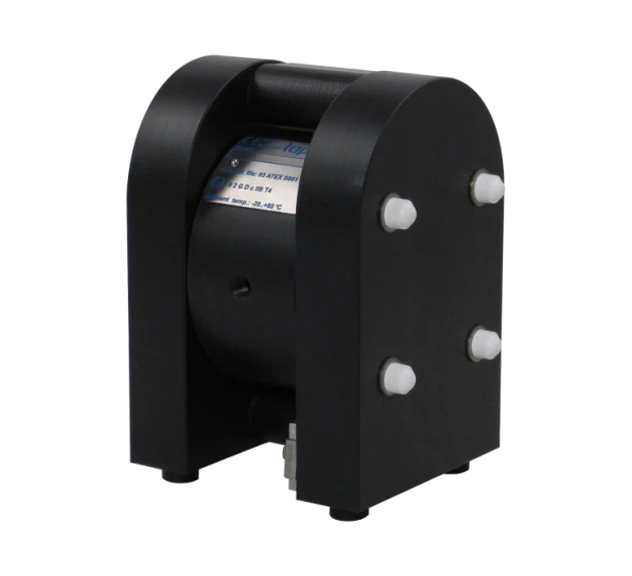
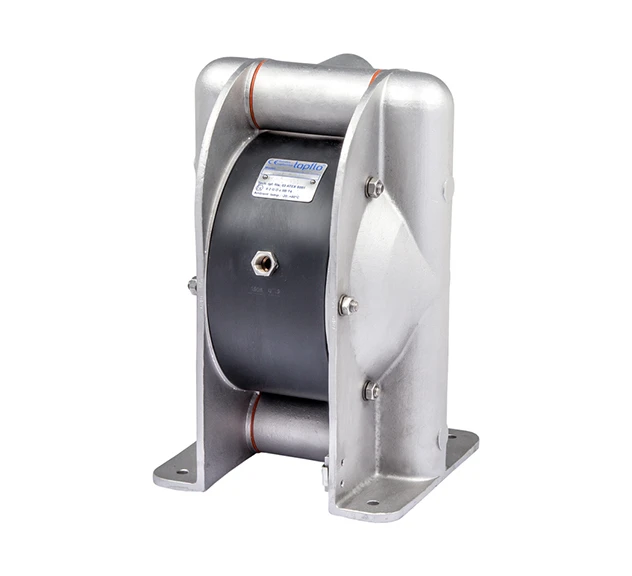
Diaphragm pumps can handle difficult fluids across many sectors, including food, pharmaceuticals, paint, mining, wastewater, petrochemicals and chemical processing. It recommends specific Tapflo models for each, from hygienic sanitary pumps to ATEX-certified pumps for hazardous environments.
Common Hygienic & Sanitary Applications for Diaphragm Pumps
Food and Beverage
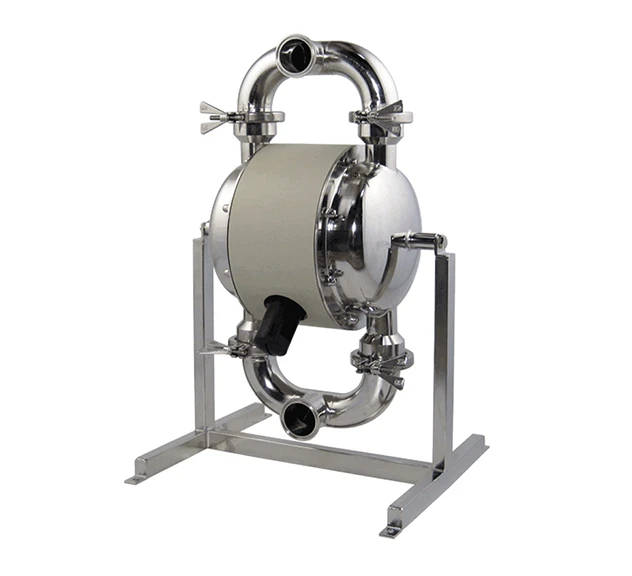
The versatility of a Diaphragm Pump means our Sanitary range (Sanitary Diaphragm Pump and Sanitary Low Energy Diaphragm Pump) is perfectly suited to the food and beverage industry. This range is designed for applications intended for human consumption and can be used to produce many products, such as dairy and beer. It is crucial for pumps being used in this industry to offer a sterile and hygienic environment for the product, which is why Tapflo’s Sanitary Diaphragm Pumps offer full FDA Approval and are manufactured to a high-quality sanitary finish of Stainless Steel AISI 316L.
Pharmaceutical and Cosmetics
For higher hygiene standards, we can offer our EHEDG Aseptic Pump or our USP VI Approved Pump, which are more commonly used in the Pharmaceutical and Cosmetics industries to meet the most demanding cleanliness standards.

Common Industrial Applications for Diaphragm Pumps
Pulp, Paper & Adhesives
Diaphragm Pumps can transport glue, adhesives, sodium silicate, resin solutions, and many other media in the Pulp & Paper Industry. For example, in cigarette paper production, a pump applies resin to the paper.
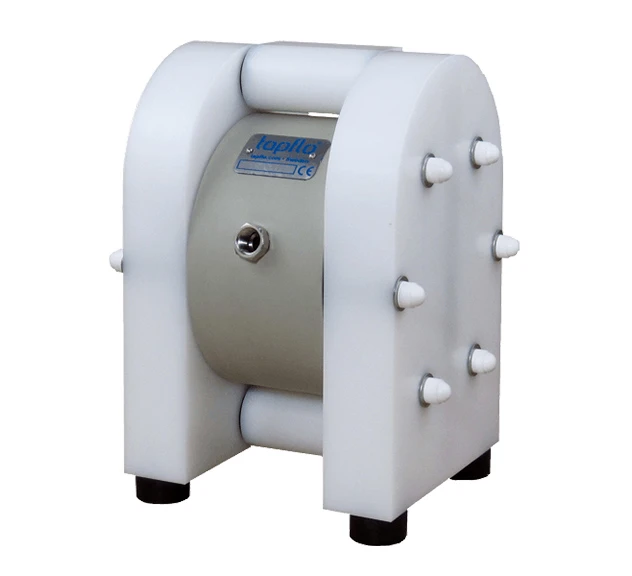
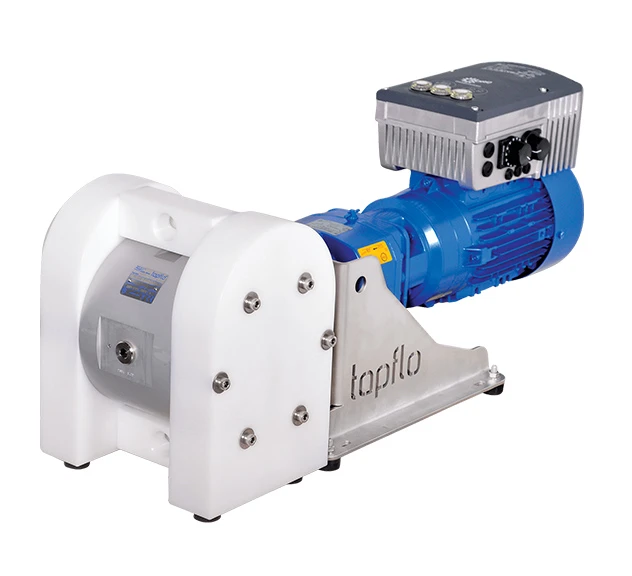
Our HDPE & PTFE Diaphragm Pumps are best suited to this application as they are robust, reliable and versatile. Or if you don’t want to use compressed air, the Electric Diaphragm is a good option.
Paint, Printing & Varnish
Tapflo Diaphragm Pumps can also be used for the transfer, recirculation, and blending of ink, solvent-based liquids, resins, and pigments. Advantages of using an AOD pump in this industry include competitive pricing, the ability to handle high viscosities, and variable speeds. We offer many options for this industry, including Mobile Decanting Trolleys for large drums.
Tapflo’s HDPE & PTFE Diaphragm Pump and Metal Diaphragm Pump are best suited for this application, as they can handle all viscosities. Alternatively, if you don’t want to use compressed air, the Electric Diaphragm is a good option.
Construction, Mining & Sludge
Diaphragm Pumps can be used in construction, mining, and sludge handling. Often, companies in these industries look for equipment that improves process control, reduces energy use, or integrates smart system automation whilst fitting their budget. Diaphragm Pumps can meet all these requirements.
Our Metal Diaphragm Pump is an ideal solution for these applications, as it can handle viscous, abrasive media and is available in an ATEX-certified model. A Filter Press Diaphragm Pump is a good option for straightforward slurry pressing. If you don’t want to use compressed air, the Electric Diaphragm Pump is a good option.
Surface Coating
Diaphragm Pumps are also excellent at transporting chemicals, including those used for Surface Coating, from storage tanks, containers, and baths. Diaphragm Pumps such as the HDPE & PTFE model can handle aggressive chemicals, high temperatures, and viscous, chemically aggressive liquids; self-prime up to 9m; deliver discharge pressures up to 16 Bar; and handle temperatures up to 100°C.
Water Treatment
HDPE & PTFE and the Barrier Diaphragm Pumps are ideal for a range of Wastewater Treatment applications, including transferring flocculent fluids, sludges, and water, as well as dosing acidic and alkaline chemicals for pH control and water treatment.
Petrochemical
The ATEX Metal Diaphragm Pumps can be used for offshore oil drilling to carry oil to the surface and lubricate the drill. Other petrochemical applications include offshore mud drilling, where rocks are brought to the surface for testing.
Common Chemical Applications for Diaphragm Pumps
Tapflo diaphragm pumps are widely used across chemical applications, handling everything from acids and alkalis to alcohols, solvents, and shear-sensitive products such as latex and emulsions, as well as chemical waste. Their sealless, self-priming design lets them gently transfer aggressive or abrasive media without degrading the product, making them suitable for demanding processes across the chemical sector. The ATEX models (ATEX HDPE/PTFE and ATEX Metal) are best suited for hazardous media or environments.
Don’t see your specific application? Contact one of our pump experts today, and we will be happy to assist you however we can.


